Organic Gir Cow Ghee Color Guide: What the Color Really Means
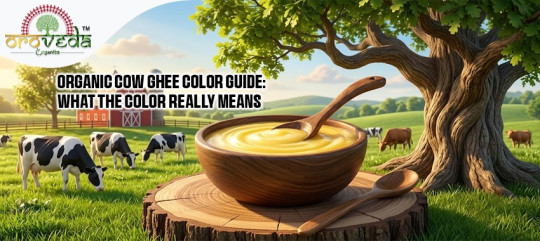
One of the things people notice when they want to buy Organic Gir Cow Ghee is its color. Some varieties are darker in color but others have a lighter color. It makes people think questions like: "Which color of the Ghee would be the purest one?", "Does the darker ghee mean that it is of better quality?", "Could it be that my ghee is of a different color because it has gone bad?"
But the reality is that Organic Cow Ghee can come in various colors because of many natural factors. So, color is not the only indicator of quality.
Knowing the factors which influence the color of ghee will help you become a more knowledgeable customer when it comes to buying ghee.
Today, we will explain the reasons for the different colors of Organic Gir Cow Ghee and what these colors mean.
What Makes Organic Gir Cow Ghee Have Distinct Colors?
Pure Organic Cow Ghee differs in color from artificially colored products in that it has natural colors. The color can vary from pale cream to deep gold, which depends on factors such as the breed and diet of cows, season, and the process of preparation.
Since these variables consist of inherent changes with the passage of time, it stands to reason that every new batch of authentic Organic Gir Cow Ghee will never look alike.
1. A Prime Role is Taken by the Diet of Cows
The cow's diet is one of the prominent factors influencing the color of Organic Gir Cow Ghee.
Cows that forage on the fresh green grass eat natural plant pigments, such as beta-carotene, their pigment which is passed into milk fat resulting in the ghee with a deep golden color.
As feed changes with the onset of a specific season the color of ghee changes correspondingly.
2. Cows of Different Breeds Produce Ghee of Different Colors
Milk produced by all cows is not the same.
The milk of traditional Indian breeds such as Gir cows has unique properties which make it possible to receive Organic Gir Cow Ghee of a bright golden color. Other breeds produce milk that will yield ghee of lighter color.
This does not affect the quality of the product but is merely a reflection of the properties of the milk itself.
3. Seasonal Changes Influence the Color of the Product
The season influences the color of Organic Gir Cow Ghee.
When cows get access to green grass, the ghee usually acquires a richer yellow. On the flip side, at other times of the year, depending on the change in availability of the feed, the color can change to be less rich.
Since farming conditions are different every time, the real Organic Gir Cow Ghee can have varied colors.
4. Bilona Process Preserves Originality
The traditional Bilona method of ghee manufacturing is based on pure preparation, the main distinction of which is that ghee is produced from cultured curds instead of being obtained from cream.
The use of the method makes sure the natural color of the ghee is not subject to the effects of any artificial standardization.
Oroveda Organics uses the method of Bilona to create ghee from A2 cow milk, making sure the ghee keeps its original hue without artificial colorants.
Is Darker Organic Gir Cow Ghee Always Better?
Many people mistakenly believe that the ghee made with the darker yellow color is always the best.
However, the color does not indicate the quality of Organic Cow Ghee.
The darker color indicates:
-
Seasonal pasturing
-
Natural beta-carotene content
-
Cow breed
-
Farming methods
Organic Gir Cow Ghee that is lighter in shade is equally real and pure.
Knowing that color is not the only consideration in evaluating quality, one should explore the texture, aroma, and technique of preparation, as well as transparency of the ingredients and reliability of the brand.
Is it possible for Organic Gir Cow Ghee to change its color after purchase?
Indeed, Organic Gir Cow Ghee can appear differently over time due to various conditions.
Since it is natural that temperature change, light exposure, and other aspects will affect the appearance of ghee, customers should not worry about its appearance, assuming it is properly stored.
If Organic Gir Cow Ghee is stored in an airtight container, avoiding exposure to direct sunlight and moisture, both its flavor and appearance will be preserved.
When it comes to the graininess of Organic Gir Cow Ghee, many consumers are shocked that this product can appear grainy and suppose it is the sign of low quality.
In fact, graininess is a quality of traditionally prepared ghee, which has nothing to do with the product’s color.
The texture of Organic Cow Ghee can change depending on:
- Crystallization
- Temperature
- Traditional method of preparation
- Composition of milk fat
Smooth texture doesn't mean good quality. The same way grainy texture doesn't mean bad quality. It is true for pure ghee as well.
Common Misconceptions About the Color of Cow Ghee
Myth 1: Dark Yellow Ghee Is Always Good
This is not true. Darker yellow color is generally a result of the diet of the cow rather than more quality of the ghee.
Myth 2: If Ghee Is Light It Is Fake
This is incorrect. Organic Gir Cow Ghee can be found in various different color types of cream or yellow.
Myth 3: Each Batch Should Look the Same
Unlike some highly processed foods, Organic Gir Cow Ghee can have different colors in different batches. It reflects that production of the product is natural, not a product of technology.
Myth 4: Color Determines Purity
Purity should not be judged by color alone. Other factors such as taste, aroma, texture, use of raw materials, and production techniques play an important role.
How to Value the Quality of Organic Gir Cow Ghee
It is important to pay attention not to color only while evaluating Organic Cow Ghee.
Texture
-
Ghee that is made following the regular traditions can have a smooth texture or a naturally grainy structure depending on how it is produced.
Ingredient Transparency
-
It is advisable to always go for products with a clean ingredient list and transparent sourcing information.
Preparation Techniques
-
Traditional Bilona method is considered one of the most reliable ways to produce top-quality Organic Gir Cow Ghee.
Brand Trustworthiness
-
Regularly buying Organic Gir Cow Ghee from a trusted brand ensures high quality of the ghee, ingredients, and packaging.
The ghee produced by Oroveda Organics is made from A2 Gir cow milk and produced using the traditional Bilona method. Attention is paid to preserving authenticity, purity, and craftsmanship instead of creating conditioned, artificial looks.
What Makes Natural Variations a Good Value?
Today, many industrial products look the same because of the application of enhancing colors, additives, or other types of industrial processing.
The qualities of pure Organic Cow Ghee significantly differ.
In terms of color and texture, the ghee is:
* made based on seasonal farming;
* made from fresh milk;
* made using traditional techniques;
* made from natural products;
* created by a minimal processing technique.
Instead of expecting uniformity in jars, one must learn to embrace variations to comprehend the genuineness of ghee made through conventional processes.
Summary
The color of Organic Gir Cow Ghee narrates an interesting story about the environment, agriculture techniques, and customary production. Several organic factors determine the light yellow, yellowish, or somewhat darker shades of ghee.
According to experts, when assessing quality, it is crucial to look at the whole picture, including aroma, texture, and preparation techniques, rather than making a decision based only on the looks. In many cases, slight deviations in color mean the product has kept its original properties rather than being altered artificially.
If you seek genuine Organic Cow Ghee made in line with the time-tested Bilona technique, Oroveda Organics is a perfect match since it combines traditional production with devotion to quality and safety.
FAQs
1. What are the reasons behind the color of the Organic Gir Cow Ghee?
The color of Organic Gir Cow Ghee is influenced by various organic factors, including the diet of cows and breed, seasonal feed, and traditional ways of preparation.
2. What color is pure Organic Gir Cow Ghee?
Pure Organic Gir Cow Ghee may have different shades, from pale cream to bright golden yellow. Both shades can be entirely natural.
3. Does the color of Organic Gir Cow Ghee determine its quality?
No. A darker color does not necessarily mean that the quality is good. The color may be related to natural levels of beta-carotene and feeding in a particular season.
4. Why do some Organic Gir Cow Ghee products have a lighter color than others?
All these facts make Ghee of a lighter color.
5. Does Organic Gir Cow Ghee get lighter in color after storage?
Slight changes in the appearance can be due to environmental and temperature factors and crystallization, but appropriate storage solves the problem.