Oil vs Ghee: How Your Daily Cooking, Sweets & Baking Choices Change Life
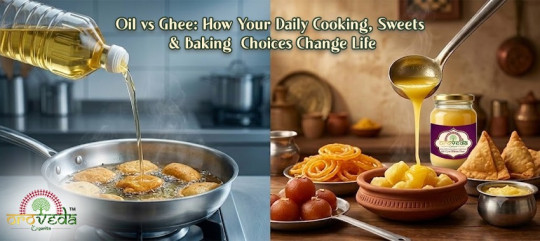
The oils and fats you use on a daily basis can have a significant impact on your health. The oils used for cooking, as well as the ghee that you spread onto your roti, will impact how you digest your food, your energy levels, heart disease risk; and ultimately the enjoyment you derive from your food.
There has been much discussion over the years as to whether oil or ghee is a healthier food option for individuals. Both oils and ghee are beneficial to include in the diet, even though each has a specific and unique purpose. The most important factors when incorporating oils and ghee into your daily meals are recognizing how to use the products, selecting high quality ingredients, and using them properly.
To give you a better understanding about how your decisions regarding these four food products can impact your lifestyle, let’s examine the differences between oils and ghee.
What are Oils?
Oils are taken from seeds, nuts, fruits, or grains; they are commonly used to prepare a wide variety of Indian dishes. Some of the most common cooking oils include:
-
Mustard Oil – commonly used in the North and East Indian regions of the country
-
Groundnut Oil – primarily used for deep frying and traditional Indian recipes
-
Sunflower Oil – commonly used for day-to-day cooking
-
Olive Oil – commonly used for dressings and light sautéing
-
Rice Bran Oil – frequently used because of its well-balanced fatty acid proportions
-
Coconut Oil – typical cuisine of the Southern Indian region of the country
-
Sesame Oil – typically used in dishes, pickles and condiments in various regions across the country
Although various oils have different smoke points and flavors, making them suitable for a variety of cooking methods.
What is Ghee?
Some people may not be familiar with ghee, ghee comes from India, where clarified butter has long been used in Ayurvedic cooking, so it is recognised for its richness and aroma as well as versatility in the cooking process.
Making it a healthy choice compared to heavily processed fats, such as margarine or shortening, that lose their natural flavour and nutrition during processing; additionally, some brands, such as Oroveda Organics, support the preservation of traditional ghee by providing an avenue for families to enjoy high-quality ingredients at their dinner tables.
Everyday Foods Made Better with Ghee
Ghee is an important part of everyday Indian meals and not limited to special occasions.
1. Roti and Ghee
-
Ghee is one of the most searched-for pairings of roti with ghee because many people believe that when they put a little bit of ghee on their hot rotis, it enhances the taste and makes them more enjoyable to eat.
2. Dal-Chawal with Ghee
-
For many Indian families, the idea of adding ghee to dal chawal (rice and lentils) creates an aroma and richness that cannot be duplicated or replaced.
3. Khichdi
-
Khichdi with ghee is one of the most common comfort foods in India; it is a simple recipe and loved by all generations.
4. Roti-Sabji
-
Roti-sabji served with ghee is a classic combination and one that is very popular throughout India.
5. Ghee Rice
-
Fragrant ghee rice is a common side dish to accompany curries or are eaten during festivals.
6. Parathas
-
Different types – from aloo parathas to methi parathas – all have a certain amount of ghee to enhance the flavour and texture that everyone loves.
Sweets of Many Kinds Made with Ghee
No Indian festival is complete without a wide array of sweets, and many of these classic sweets rely heavily on ghee for their recognisable taste.
1. Besan Ladoo
-
Combination of gram flour, sugar and generous amounts of ghee ensures that over the years besan ladoo has established itself as a favourite during the festival season.
2. Moong Dal Halwa
-
Moong dal halwa is also very rich and luxurious in taste. The fact that it is cooked for a long time in ghee contributes to its popularity.
3. Gajar Ka Halwa
-
A traditional winter favourite, gajar ka halwa is made using grated carrots; milk; nuts and ghee.
4. Mysore Pak
-
Mysore pak is well-known for its melt-in-the-mouth consistency and is another classic sweet made with a substantial amount of ghee.
5. Atta Ladoo
-
Atta ladoo is a type of ladoo that uses wheat flour and ghee.
6. Sheera (Sooji Halwa)
-
Sooji halwa is not only one of the easiest to make but is also one of the most commonly made of all Indian desserts and is not complete without ghee.
7. Puran Poli
-
Puran poli tastes delicious when served hot and generously drizzled with ghee.
Oil or Ghee for Baking?
Changing trends suggest that there are recipes when you are cooking using either oil or ghee as opposed to when you would traditionally use only ghee to bake.
When Oil is the Best Option
Oil is often used in baking cakes, muffins, brownies and other desserts.
Ghee is a great ingredient for:
• Cookies & biscuits
• Shortbreads
• Indian fusion desserts
• Baked goods in celebration
Ghee gives baked items incredible aromas and unique tasting experiences.
When Ghee Shines
Ghee works exceptionally well in:
-
Cookies
-
Traditional biscuits
-
Shortbread
-
Indian fusion desserts
-
Festive baked treats
It provides a rich aroma and distinctive taste that elevates baked goods.
Which is Better For Cooking Daily?
When comparing oils and ghee, it is clear that there’s not just one answer.
Use Oil for:
• Deep-frying
• Cooking large quantities of food
• Some regional dishes where ghee is not used
• Some stir-frying depending on how high the oil can be heated before smoking
Use Ghee for:
• Finishing/presentation meals
• Cooking traditional Indian meals
• Enhancing flavors
• Sweets & baked goods made for celebrations
When cooking with either ghee or oil, moderation & variety are more important than only using one type of fat.
Making Healthier Choices
Ingredients are important if you are cooking roti-sabji, dal-chawal, creating baked treats from scratch, or making sweets for celebrations.
Choosing high quality, traditional, and authentic ghee made a big difference in the way that food tastes, and in turn how much satisfaction one gets from the culinary experience. Brands like Oroveda Organics strive to have high quality and high purity ghee, so consumers can confidently use the highest quality ghee they are able to.
By using the right type of oil for the cooking technique being used, one can establish a comfortable routine when cooking with oils.
Joy and Remembrance Associated with Food
Food is more than just nourishment - it also represents memories, traditions, and connecting with others.
Everyday experiences include the smell of freshly frying ghee on warm rotis, the warmth of homemade khichdi, the joy of sweet treats during festive occasions; and the joy of eating together as family members.
The decisions we make when cooking will not only shape what goes on your plate but also the traditions we will eventually pass down through generations.
Final Thoughts
There is no right answer regarding oil and ghee. Both serve different purposes in the respective areas of cooking, baking, and making sweets.
Use oils in accordance with their purpose when cooking with oil and use ghee in a way that reflects the cultural customs, taste, and comfort you value. You can create meaning from everyday foods by making good food choices regarding how you use them—e.g., roti-sabji, dal-chawal, besan-ladoo, gajar-halwa, and festive baking.
Summary
Living a healthy life isn't just about having no indulgence, but rather about making better decisions. Through an understanding of how the food you eat, how cooking oils and ghee, and how you prepare food influence your life, you will be able to create a more balanced relationship with food.