Makhana Benefits, Nutrition & Uses | Oroveda Organics
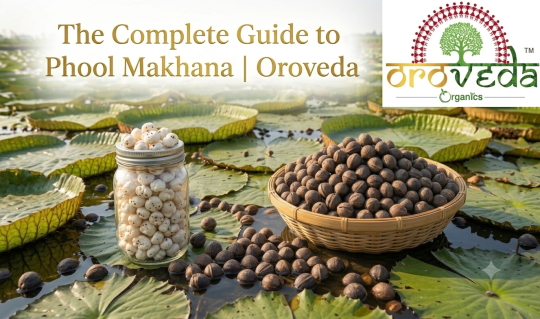
Makhana, also known as fox nuts or lotus seeds in everyday conversation, has become a popular healthy snack in Indian households. From traditional fasting recipes to modern roasted makhana snacks, these light and crunchy seeds offer a versatile option for people looking to add variety to their daily eating habits.
Whether you enjoy them plain, roasted with spices, or as part of a homemade trail mix, phool makhana can be used in several delicious ways. However, understanding their makhana nutritional value, choosing good-quality products, and paying attention to preparation methods are important when making them part of a balanced diet.
At Oroveda Organics, we believe that traditional food choices can fit naturally into modern lifestyles. In this guide, we explore makhana benefits, nutritional considerations, everyday uses of makhana, and practical tips for choosing quality raw makhana and flavoured makhana.
What Is Makhana?
Makhana is commonly known as fox nuts (Euryale ferox) and is widely used in Indian cooking. Commercial makhana seeds are generally obtained from the aquatic lotus plant cultivated in parts of India, particularly Bihar.
The seeds are processed to produce the familiar white, puffed, and crunchy phool makhana found in shops and kitchens.
Makhana is enjoyed in many forms, including:
-
Plain or dry roasted makhana
-
Lightly spiced masala makhana
-
Flavoured makhana snacks
-
Makhana kheer and other traditional desserts
-
Makhana curry and savoury dishes
-
Healthy snack mixes with nuts and seeds
Its mild flavour makes it easy to combine with both sweet and savoury ingredients.
Makhana Benefits: Why Include Fox Nuts in Your Diet?
Phool makhana can be a useful addition to a varied, balanced diet. The health benefits of makhana depend on the serving size, preparation method, ingredients added, and overall product quality.
1. A Convenient Alternative to Fried Snacks
Roasted makhana provides a crunchy, low fat snack alternative to deep-fried chips and namkeen. When prepared with minimal oil and moderate seasoning, it is a practical choice for everyday snacking.
Tip: Compare nutrition labels rather than assuming that every product marketed as a healthy snack is automatically low in calories.
2. Provides Energy Through Complex Carbohydrates
Makhana contains carbohydrates that provide sustained energy for daily activities. However, oil, sugar coatings, and heavy seasonings can increase the total calories, making portion control important.
3. Contributes to Dietary Fibre Intake
Fox nuts contain dietary fibre, which supports normal digestive health. Combining makhana snacks with fruits, vegetables, whole grains, and seeds creates a well-rounded, high-fibre diet.
4. Contains Plant-Based Protein
Makhana offers plant-based protein for vegetarians. To boost its protein profile, you can combine roasted fox nuts with roasted chickpeas, yoghurt, nuts, or seeds.
5. Fits Into Different Eating Patterns
Because it is naturally gluten-free and vegetarian, makhana fits seamlessly into weight-conscious diets, traditional fasting recipes (vrat food), and modern fitness meal plans.
6. Offers Versatility in Everyday Cooking
From sweet makhana kheer to spicy makhana gravy, these versatile seeds absorb flavours effortlessly across a wide range of Indian recipes.
Note: Makhana is a whole food, not a medical cure. While it supports healthy living, claims that it independently causes weight loss or cures conditions should be viewed realistically alongside an overall healthy lifestyle.
Makhana Nutrition: What Should You Know?
The nutritional value of makhana changes based on processing and cooking methods. Here is what plain raw makhana generally provides:
-
Carbohydrates: Provide daily energy.
-
Plant Protein: Supports muscle maintenance.
-
Dietary Fibre: Aids digestion.
-
Low Sodium & Fat: When eaten raw or plain dry-roasted.
Is Makhana Good for Weight Loss?
Plain dry roasted makhana is relatively low in calories and high in volume, making it helpful for weight management by promoting fullness. However, flavoured varieties with extra oil, butter, or cheese can significantly raise the calorie count.
Raw Makhana vs Flavoured Makhana: Which Should You Choose?
-
Raw Makhana: Ideal for those who like home cooking, controlling their oil and salt intake, or making traditional recipes like makhana kheer.
-
Flavoured Makhana: Perfect for on-the-go convenience, travel snacks, or work breaks when you want ready-to-eat spicy makhana or gourmet snacks.
How to Choose Quality Makhana
When you buy makhana online or in stores, follow these quality-check tips:
-
Check the Appearance: High-grade puffed makhana should be dry, uniform, light, and bright white without excessive dark spots or moisture.
-
Look for Crisp Texture: Quality fox nuts snap crisp when pressed, indicating proper drying and freshness.
-
Read the Ingredient List: For flavoured makhana, inspect added oils, seasonings, sodium levels, and preservatives.
-
Inspect Packaging: Ensure the pack is airtight and sealed well to protect against humidity.
-
Buy From a Trusted Brand: Choose transparent brands like Oroveda Organics that prioritize pure, authentic sourcing.
How to Eat Makhana: 5 Easy Recipe Ideas
-
Plain Roasted Makhana: Dry-roast raw makhana on low heat until crunchy for a simple, guilt-free snack.
-
Masala Makhana: Toss roasted fox nuts in a drop of ghee with turmeric, black pepper, and chaat masala.
-
Makhana Trail Mix: Combine roasted makhana with almonds, walnuts, pumpkin seeds, and raisins.
-
Makhana Kheer: Simmer phool makhana in milk with cardamom and natural sweeteners for a wholesome dessert.
-
Makhana Curry: Add lightly roasted makhana to a tomato-cashew gravy for a rich, festive main dish.
Frequently Asked Questions About Makhana
1. What are the main benefits of makhana?
Makhana provides plant-based carbohydrates, protein, and dietary fibre. It serves as a light, crunchy, and versatile alternative to heavy fried snacks.
2. Is makhana safe for daily eating?
Yes, roasted makhana can be eaten daily in moderate portions as part of a balanced diet.
3. Is makhana good for diabetes?
Plain makhana has a moderate glycemic index and can fit into a diabetic-friendly diet when portion sizes and overall carbohydrate intake are managed properly.
4. How should I store phool makhana?
Keep your makhana in a clean, dry, airtight container immediately after opening to maintain its crispness and protect it from moisture.
5. Where can I buy raw and flavoured makhana online?
You can explore the full collection of premium Raw Makhana and delicious Flavoured Makhana directly on the Oroveda Organics official website.
Choose Oroveda Organics for Your Daily Snacking
At Oroveda Organics, our goal is to bring you traditional wisdom combined with modern quality. Explore our range of organic raw makhana and gourmet flavoured fox nuts today to upgrade your everyday snacking!